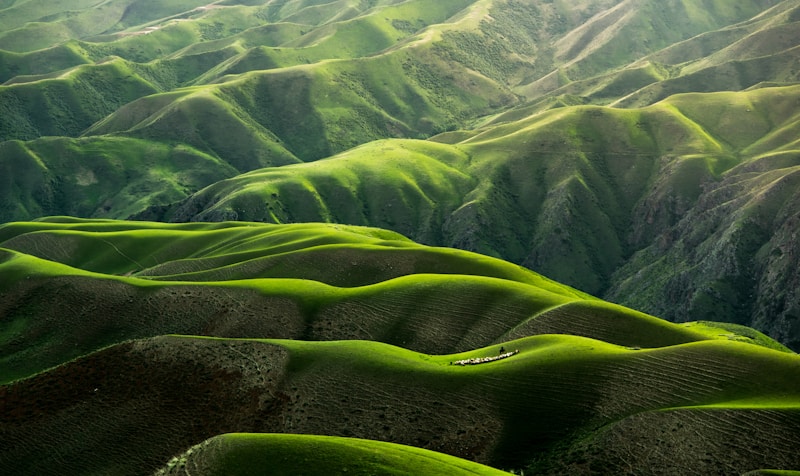
Terrain Interaction
Analysis of how uneven ground, slope variation, and soil composition affect infrastructure placement and long-term stability. Documentation of surface-structure relationships in transitional landscapes.
Explore Terrain Analysis →Examining how petroleum-support systems interact with fields, shrubland, rocky terrain, and transitional landscapes across Canada
ArdenPetro focuses on the intersection between fuel-support infrastructure and natural terrain features. Our work examines how vegetation, soil composition, moisture movement, and surface irregularities influence the stability, safety, and long-term performance of petroleum systems placed in semi-natural environments.
Analysis of how uneven ground, slope variation, and soil composition affect infrastructure placement and long-term stability. Documentation of surface-structure relationships in transitional landscapes.
Explore Terrain Analysis →Investigation of root systems, seasonal growth patterns, and plant-structure interactions. Understanding how field grasses, shrubs, and semi-wild vegetation respond to infrastructure presence.
View Vegetation Studies →Assessment of ground settling, erosion patterns, and moisture retention in areas supporting fuel infrastructure. Evaluation of reinforcement strategies and minimal-disturbance approaches.
Infrastructure Methods →Our research methodology combines environmental observation with structural assessment to document the complex relationships between petroleum-support systems and natural terrain features.
ArdenPetro examines fuel-support systems across various semi-natural environments throughout Canada
Open grassland and agricultural transition zones with seasonal vegetation cycles and variable soil moisture
Mixed brush and low-growth vegetation areas with complex root systems and natural erosion patterns
Semi-developed areas with exposed bedrock, thin soil cover, and drainage challenges
Interface zones between developed sites and natural surroundings requiring careful infrastructure placement
Visual documentation from our field studies across Canadian landscapes
ArdenPetro collaborates with infrastructure planners, environmental analysts, and land-use specialists to advance responsible placement and management of petroleum-support systems in semi-natural environments.